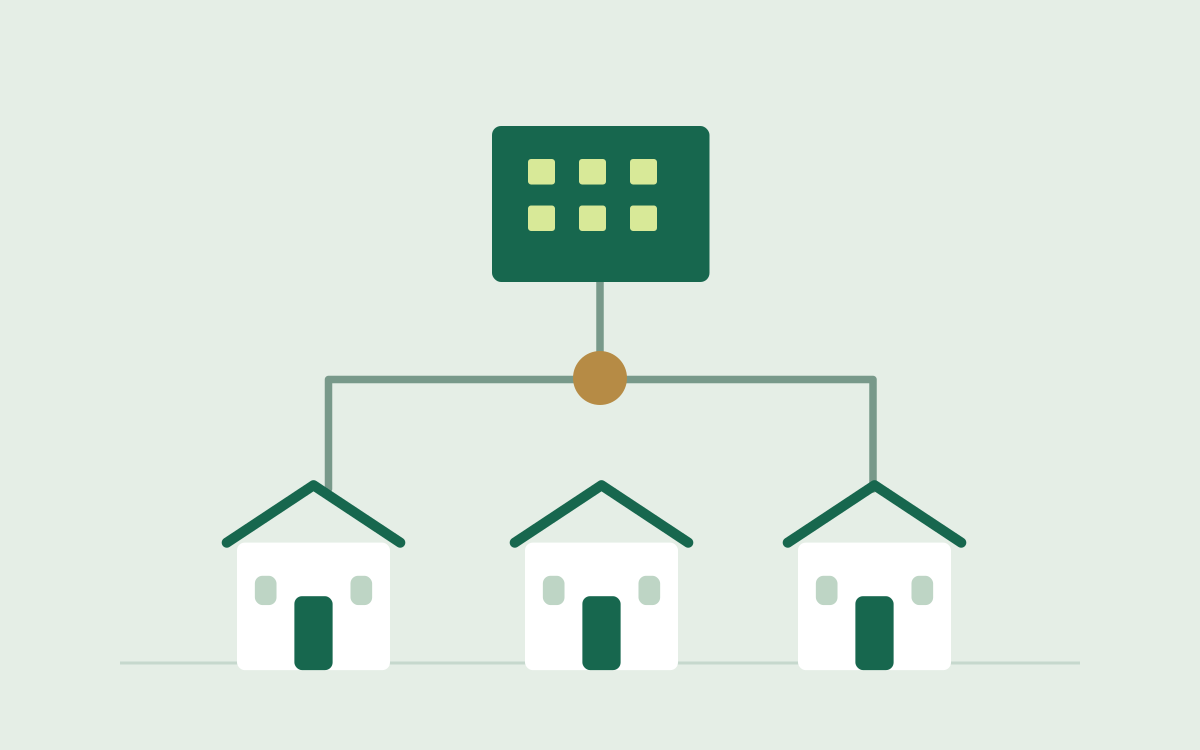
Local service coverage should reflect where the business can actually perform the work and what customers need to know before contacting it. Separate a business location from a service area. Create another location page only when it has distinct, accurate information and a meaningful customer purpose.
- Is the service genuinely available there?
- Yes: identify distinct local information
- No: keep the area out of the offer
- No distinct information: improve the shared coverage page
Establish the real operating boundary
Begin with the people who deliver the service. Ask where work is accepted, which jobs are practical in each area and what constraints affect availability. A registered address, an office and a service territory are not interchangeable facts. The website should help a customer understand whether a job can be considered without suggesting an office or team that does not exist.
Record exceptions as well as the normal boundary. Some services may be available across a wider area than others, or depend on the size and type of job. Avoid presenting those exceptions as unconditional coverage. A useful page can explain that an inquiry needs assessment without inventing a guaranteed response time, travel promise or local presence.
Identify the customer’s geographic question
A customer may need to know whether the business visits a location, accepts a particular job or requires an appointment at a real premises. These questions need different answers. Organize the coverage information around the actual service journey. A list of place names does little if it fails to explain how the service works in those places.
Use genuine local information where it affects the decision. Relevant details might include a real collection arrangement, a defined travel restriction or an accurately described service process. Do not add generic descriptions of landmarks merely to make a page appear local. The material should change what the customer understands or does next, rather than decorate an otherwise duplicated page.
Build a coverage worksheet
| Coverage field | Information to confirm |
|---|---|
| Place or area | The territory as described by the delivery team |
| Service | The work actually offered within that territory |
| Constraints | Job types, travel limits or arrangements requiring assessment |
| Customer action | Inquiry, booking or visit appropriate to the service |
| Evidence owner | The person who can verify and maintain the claim |
| Page decision | Shared coverage section or a genuinely distinct local page |
Use the worksheet to decide the page structure. Several nearby areas may fit one clear service-area section. A separate page may be justified for a real branch with different services, contact arrangements or customer instructions. The decision depends on useful information, not the ambition to publish a page for every place name in a keyword list.
Avoid duplicate promises across pages
When service details appear in several locations, maintain them from an agreed source. Prices, opening arrangements and contact destinations can drift when copied independently. Assign an owner to review changes across matching pages. The same principle applies to a service that becomes unavailable: removing one mention while leaving several others can create confusing inquiries.
Google’s spam policies describe doorway abuse among other practices. Treat the practical lesson as a quality decision: pages should provide their own useful destination, not simply funnel people through interchangeable copies. A small, accurate page set is easier for a business to maintain and easier for a customer to understand.
Work through a service-area example
Imagine a maintenance business that accepts commercial jobs across several neighboring areas but offers residential appointments only near its base. A useful coverage page would distinguish those service boundaries clearly. It could identify the relevant inquiry details and explain which work requires assessment. Repeating an unconditional “all services available” message across city pages would obscure the actual offer.
In that scenario, a separate local page would need a distinct reason to exist, such as a real branch or a materially different process. The illustration does not establish coverage for any business on this website. It shows how a delivery constraint changes the information that belongs on a page and prevents avoidable mismatches between inquiries and available work.
Keep local information current
Decide who reviews coverage when staff, premises or service arrangements change. Connect the website update to that operating decision rather than waiting for an annual content review. Check important contact paths after changes, including any branch-specific destination. A geographically relevant visit still needs a reliable route to the correct next action.
Use the multi-location plan for genuine branch networks and the service-page brief for the information behind each offer. To scope outside support, compare local SEO services and request a quote with the real operating territory and service constraints included.