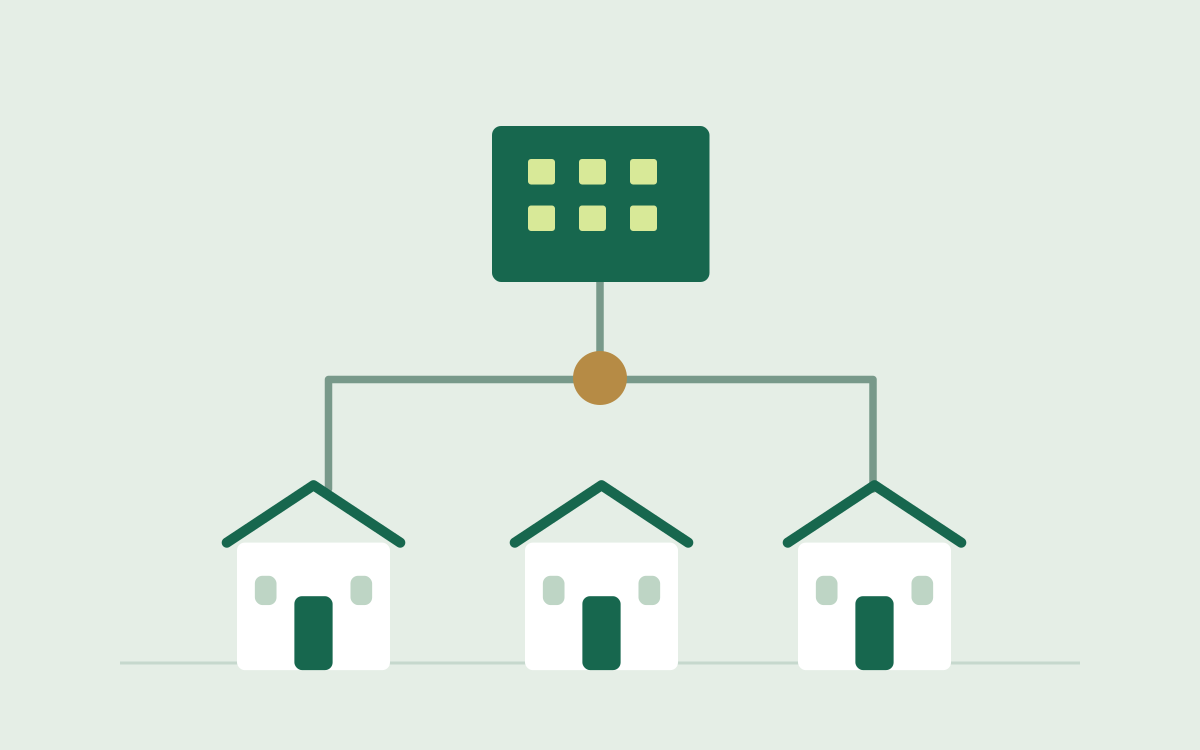
A multi-location SEO plan needs one reliable source for shared business facts and a clear owner for each branch’s distinct information. Separate central templates from local details. Prioritize accurate customer journeys and maintenance responsibilities before expanding the number of location pages.
- Central: shared service definitions
- Local: real branch arrangements
- Central: templates and release checks
- Local: approvals and customer routing
Inventory the operating locations
Start with a verified list of real branches and the services each provides. Record contact arrangements, customer access and any meaningful exceptions. Distinguish a branch from a service territory or a planned opening. A location page should describe an actual customer destination or service arrangement rather than imply a premises simply because the business wants inquiries from an area.
Identify the person responsible for confirming each record. Central marketing may maintain the website, but a branch manager may know about changed arrangements first. Define how those updates reach the publishing team. Without a clear reporting route, a well-designed template can distribute outdated information very efficiently across an entire network.
Separate shared and local information
Shared content includes the business’s service definitions, brand language and common customer requirements. Local information includes genuine differences in services, availability, access or contact routing. Keep the distinction explicit. Copying every central paragraph onto every branch page can make the pages long without helping the customer understand the branch they are considering.
Use the shared system to reduce drift. If a service definition changes, update the authoritative content and review its local uses. If one branch stops offering the service, update that branch’s record without rewriting the whole network. The structure should support both consistency and exceptions, rather than forcing every location into an identical promise.
Build the location planning matrix
| Planning area | Central responsibility and local input |
|---|---|
| Branch identity | Central record with local confirmation of real operating details |
| Service scope | Shared definitions with branch-specific availability exceptions |
| Contact journey | Consistent form behavior with a verified destination or routing rule |
| Content review | Named local reviewer and central publishing owner |
| Technical template | Shared layout, accessibility and release checks |
| Performance review | Common definitions with context for each location |
| Change process | A route for closures, new services and altered arrangements |
Complete the matrix before adding many pages. It exposes responsibilities that a page design cannot solve. A branch page may look finished while its form still goes to an unattended mailbox. A network may have consistent headings while using incompatible definitions of an inquiry. These gaps belong in the scope before production scales.
Prioritize locations with a useful reason
Consider the business importance, information quality and customer problems at each location. A branch with inaccurate contact details may need attention before a new content campaign. A newly opened location may require a complete customer journey and a maintenance owner. Prioritization should reflect the actual operating situation rather than merely the size of a local keyword list.
Avoid treating every branch as an independent website project if shared components can solve the underlying issue. At the same time, preserve the details that materially affect a visit or inquiry. The goal is a consistent way to manage meaningful differences. Generic descriptions of a city should not replace accurate information about the branch’s work and customer arrangements.
An illustrative network scenario
Consider a business with several service centers. Most accept the same work, but one provides specialist equipment support and another requires appointments. The central template can keep the service navigation and contact layout consistent. The local records should state the specialist capability and appointment requirement clearly, with reviewers responsible for confirming those facts.
The release check then follows a customer from the location index to a relevant branch and the correct next action. It checks the exceptional branches as well as a standard one. This scenario does not describe a verified client or forecast results. It shows why a multi-location plan needs both shared implementation and a deliberate exception process.
Review the network as an operating system
Keep a record of branch changes, unresolved questions and the next review. Check the public pages after updates rather than assuming the central record automatically produced the intended result. Where official business profiles are used, keep their verified details consistent with the real business arrangements. Platform rules and editing permissions should be checked in the relevant current official guidance.
Use the local coverage worksheet to distinguish territories from branches and the content approval guide to set reviewer responsibilities. When scoping external work, compare agency services and request a quote with the number of real locations, shared templates and meaningful exceptions explained.