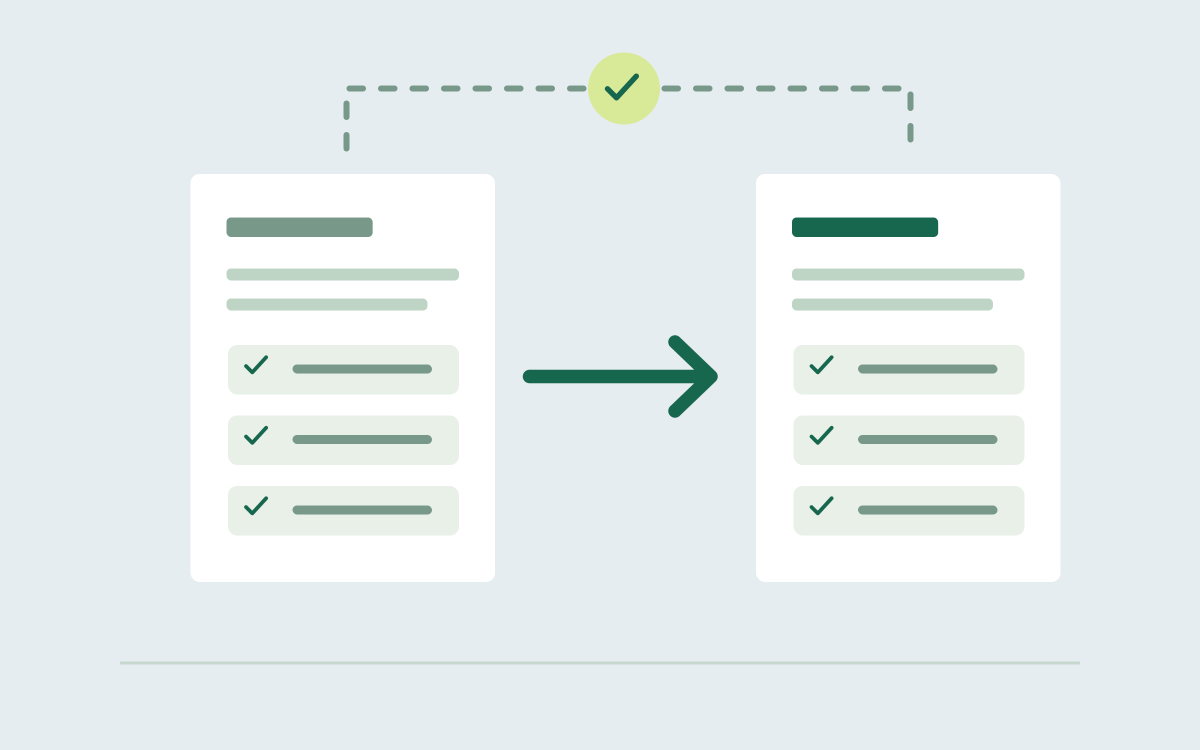
A sound SEO handover transfers the information and permissions needed to continue the work while the business retains account ownership. Inventory accounts, work in progress and recovery responsibilities before changing access. Verify the receiving team can perform its agreed tasks before removing the previous supplier’s permissions.
- Business-owned accounts
- Published and unfinished work
- Access and recovery roles
- Outstanding decisions and checks
Start with ownership, not passwords
List the domain, website platform, hosting arrangement and business tools involved in the engagement. Record which business-controlled account owns each system and which people have delegated access. A supplier may need operational permissions without owning the account. The inventory should distinguish those roles so a supplier change does not become an unexpected ownership dispute or account recovery project.
Avoid placing passwords in a project document or sending a shared credential through a routine message. Use the platform’s supported access roles wherever they meet the task. Identify a business contact who can approve permissions and manage recovery. Specific access controls vary by platform, so confirm the current role options before granting or removing permissions.
Map permissions to actual tasks
Ask what the incoming team needs to do first. Reviewing reports, editing content and changing production templates are different responsibilities. Grant access that fits the agreed work and the business’s approval process. A person who needs to read performance data may not need the ability to delete content, change billing or appoint other account owners.
Record temporary access separately from continuing access. A developer investigating a migration problem may need permissions for a limited period. Define who checks the work and who removes the access after the task ends. The handover should leave the business with a clear account of active responsibilities, not a growing list of former collaborators whose access nobody remembers.
Build the handover register
| Item | Information to retain |
|---|---|
| Domain and hosting | Business owner, renewal responsibility and recovery route |
| Website platform | Account owner, publishing roles and release procedure |
| Search and reporting | Property access, historical reports and relevant definitions |
| Content | Published URLs, approved drafts and unresolved factual questions |
| Technical work | Change records, dependencies and outstanding defects |
| External commitments | Approved placements, subscriptions and continuing obligations |
| Supplier transition | Contact, final responsibilities and the agreed completion check |
Keep sensitive account details in the business’s approved secure system. The register can point to that location without reproducing credentials. Mark missing ownership information as an action to resolve. A clean-looking spreadsheet is not a completed handover if nobody can recover a critical account or explain how the live website is released.
Transfer the working context
Access alone does not explain the project. Provide the current brief, priority list, recent decisions and unfinished work. A new supplier needs to know why a page was changed, which information was approved and which technical constraints remain. Otherwise it may repeat an earlier assessment or undo a deliberate decision because the reasoning was not preserved.
Distinguish accepted work from drafts and experiments. A folder of documents should identify which version was published and which files remain proposals. Include the relevant internal reviewers and the process for resolving questions. This is particularly important for specialist products, regulated claims or complicated service boundaries where an editor cannot safely infer the answer from an old draft.
Verify the receiving team’s access
Arrange a controlled check of representative tasks. The incoming team should be able to open the necessary reports, locate the current content and follow the release process without making unnecessary production changes. If a publishing check is required, agree a reversible test with the business. Successful login alone does not prove that the permissions support the intended work.
An illustrative transition might involve a business retaining its existing developer while replacing a content supplier. The new writer needs the brief, approved terminology and a draft workflow; it may not need direct production publishing rights. The developer remains responsible for releases. This narrower transfer can preserve continuity without giving every participant control of every system.
Finish the transition in a controlled order
Confirm the final deliverables and recovery arrangements before removing outgoing permissions. Preserve records that the business is entitled to retain under the agreement, and resolve any questions about content ownership directly with the supplier. Once responsibilities are settled, remove unnecessary access through the platform’s normal controls and record who verified the change.
Use the retainer review agenda to identify unfinished commitments and the content approval workflow to keep publishing responsibilities clear. When a new scope is needed, explore SEO agency services or request a quote that states the systems, access boundaries and implementation support available.