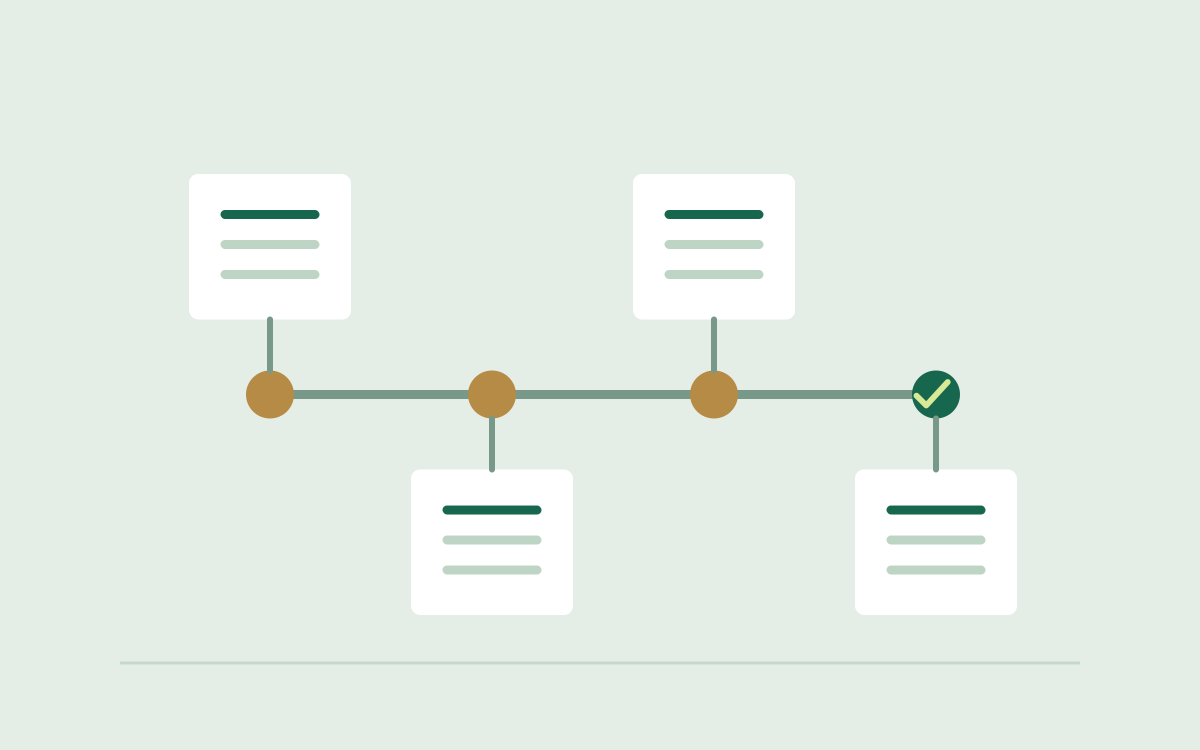
An effective SEO brief names the business priority, the pages involved, the people who can approve changes and the outcome worth measuring. Start with one commercial problem, then describe the work needed to investigate it. A supplier can quote a defined task more clearly than an open request for more traffic.
- Name the commercial problem
- Identify pages and constraints
- Assign implementation responsibility
- Request a scoped proposal
Begin with a customer moment
Describe what a prospective customer is trying to do and where the website falls short. For example, a maintenance company may receive residential inquiries while trying to sell commercial contracts. That brief points toward service wording, page coverage and qualification information. A request for a higher traffic total would leave the important mismatch unexplained.
Keep the starting statement short enough to repeat in a meeting. Name the service, product category or territory that matters first. Add what makes the priority commercially useful, such as spare delivery capacity or a newly available product range. Avoid turning an internal sales target into a promised SEO outcome. The brief explains the decision; the supplier still needs to assess feasibility.
Define the boundary of the project
List the website address, the relevant pages and the geographic or product scope. A project covering one service page is different from a national content program. If several websites share a platform, identify which one can change and which templates affect the others. Include known exclusions so a proposal does not quietly assume responsibility for unrelated brands or channels.
Describe the current setup in ordinary language. Mention whether the site uses a managed store platform, a custom application or an outside developer. No password belongs in the brief. An agency can request appropriate access later. At this stage, knowing who controls the website is more useful than collecting technical credentials that nobody has agreed to use.
Separate known facts from suspected causes
Record observable problems: the contact form fails on a phone, a category is missing from navigation, or a valuable service has no dedicated page. Put explanations such as “the recent redesign caused the decline” in a separate hypothesis column. This allows the first investigation to test the cause instead of building an entire project around an unproven assumption.
Include dated examples where available. A screenshot of a broken booking path, a list of changed URLs or a redacted inquiry summary can establish context. Explain gaps in the evidence too. If historical reporting is unavailable, the proposal should include a baseline task rather than present invented comparisons. Limit attachments to material that changes the scope or priority.
Use this one-page brief
| Brief field | What to write |
|---|---|
| Commercial priority | The service or category that needs more relevant opportunities |
| Current obstacle | An observed problem and a separate suspected cause |
| Page boundary | Relevant URLs, website sections and meaningful exclusions |
| Implementation owner | The person or supplier who can publish each kind of change |
| Approval path | Who checks business accuracy and who authorizes release |
| Useful outcome | The inquiry, purchase or customer action worth reviewing |
| Constraints | Platform limits, seasonal deadlines and available staff time |
Complete each row with a specific answer. Where the answer is unknown, write the question that the assessment must resolve. A blank budget does not justify an unlimited program; it means the supplier needs to explain options and trade-offs. A deadline should identify a real business event rather than imply that search engines will respond on a particular day.
An illustrative brief in practice
Consider a supplier that sells replacement parts to trade customers. Its useful brief might prioritize a particular equipment family, identify the relevant category pages and note that product compatibility questions consume sales time. The content reviewer is the parts manager, while a retained developer controls category templates. The first project could assess navigation and specifications before adding new articles.
The acceptance check would concern completed work: the agreed categories appear in navigation, specifications have been approved, and the inquiry path works on a phone. Commercial performance can then be reviewed separately. This example is a planning scenario, not a claimed client result. The value lies in making responsibilities and decisions visible before an engagement starts.
Turn the brief into a proposal request
Send the same core brief when comparing suppliers so differences in price can be traced to differences in work. Ask each proposal to identify assumptions, initial deliverables, exclusions and any tasks that depend on the business. A supplier may recommend a different starting point; the recommendation should explain which evidence supports that choice and what decision it enables.
Keep the accepted brief with the final proposal. When priorities change, update the boundary rather than relying on a chain of informal requests. Use the proposal comparison worksheet to compare responsibility and deliverables. When the website and priority are clear, explore SEO agency services or request a quote with those details.