The first quarter of SEO work should establish a baseline, resolve the most consequential uncertainty and release a manageable set of improvements. Sequence tasks around real dependencies and reviewer capacity. Treat the period as a delivery and learning plan, not a promise that search performance will reach a fixed result by a particular date.
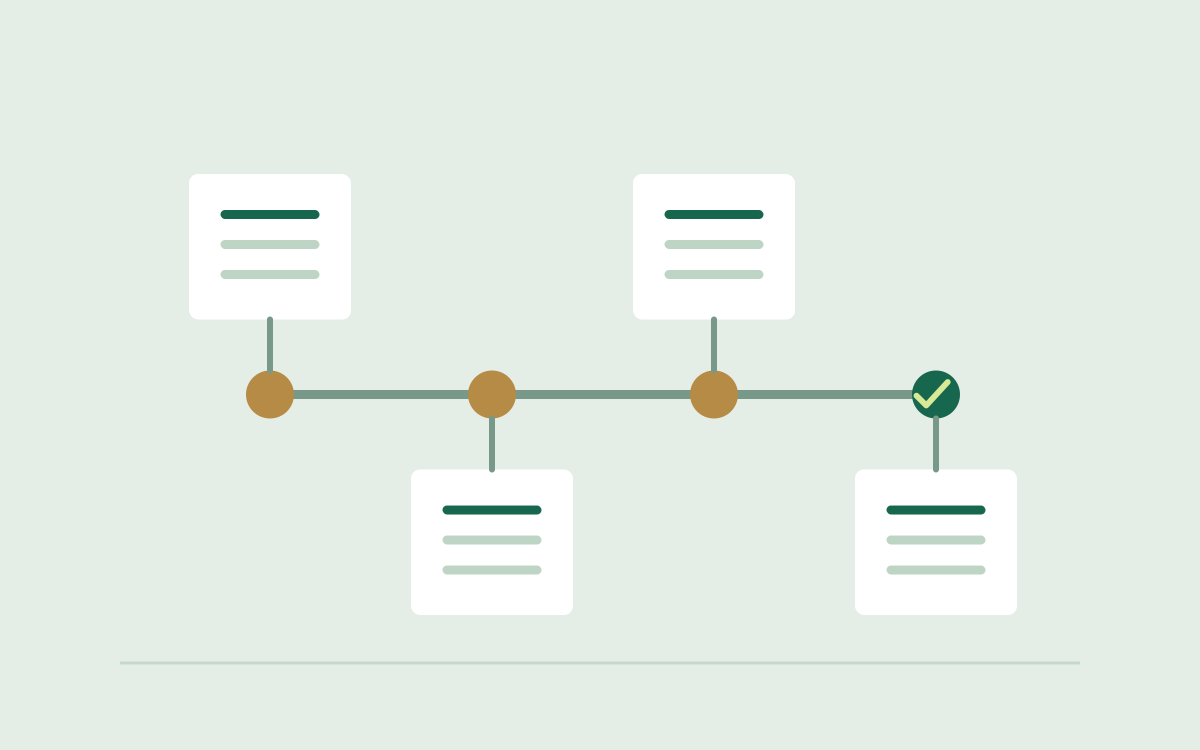
- Establish access, scope and baseline
- Investigate the priority and agree the backlog
- Release a useful batch of changes
- Review observations and choose the next work
Define what the opening period must resolve
Start with the business problem and the uncertainties preventing a useful decision. The team may need to understand a traffic change, improve an important service page or prepare a store for a platform release. The opening plan should answer those needs before filling the calendar with routine tasks. A busy schedule is not necessarily a coherent project.
Agree the scope boundary, key people and available capacity. Identify who can approve content, release development work and explain business outcomes. If those resources are limited, the plan should reflect that constraint. Publishing targets that exceed review capacity can create an impressive backlog of drafts without producing a reliable public website.
Establish access and a baseline
Confirm business ownership of the relevant accounts and provide appropriate working permissions. Gather the existing brief, useful reports and known website changes. Record missing information rather than waiting indefinitely for a perfect history. The baseline should identify what can be observed now and which comparisons remain uncertain because the earlier record is incomplete.
Set definitions for the customer actions that matter. A service business might review relevant inquiries, while a store needs context about product ranges and purchases. Keep those measures separate from completed tasks. The opening period should make both visible, so the team can distinguish successful implementation from an outcome that still needs time or further investigation.
Sequence a releasable batch
Prioritize work that addresses the central problem and can be completed with available resources. Group related technical issues, prepare necessary content and arrange approvals before a release. Some tasks can proceed together; others depend on a prior decision. A category redesign may need an agreed product grouping before the content and template work can be finalized.
Do not force every project into identical monthly activities. A migration may require intensive preparation and release checks. A service-page project may depend on expert interviews and factual review. An investigation may reveal that the original assumption was wrong. The plan should include a decision point where the next work can change for a documented reason.
Use the opening-plan worksheet
| Workstream | First useful output |
|---|---|
| Scope and access | Confirmed priority, owners and appropriate permissions |
| Baseline | Defined measures, starting observations and data gaps |
| Diagnosis | Findings that explain the next decision |
| Implementation | A bounded batch with dependencies and release ownership |
| Acceptance | Observations showing whether the agreed changes work |
| Review | Remaining uncertainty and the next prioritized scope |
Add a responsible person and a review point to each line. Use dates appropriate to the actual project instead of copying an arbitrary schedule. If an approval is delayed, record how the plan changes and what useful work can continue. A dependency should lead to a decision, not remain a recurring explanation for doing nothing.
Include acceptance before performance review
Check the work on the released website. Confirm approved content, navigation, important links and the customer action. For a form, distinguish the interface response, transport acceptance and confirmed inbox receipt. For a template fix, inspect relevant examples and exceptions. These checks establish that the intended work is present before the team interprets later search or business observations.
Keep a record of material releases and defects. If the released version fails its acceptance check, repair it and repeat the affected journey. Do not describe the task as complete solely because a document was delivered or the developer marked a ticket finished. The opening plan should make verification an ordinary part of delivery rather than an optional final exercise.
Review an illustrative first period
Consider a business that begins with weak service descriptions and an unreliable phone inquiry form. The first useful scope could clarify the offer, repair the form and establish inquiry definitions. A large article campaign might come later. The initial review would examine whether those improvements were delivered and what the first observations suggest about the next bottleneck.
This scenario is a sequencing example, not a forecast of lead growth. Use the audit action plan to manage findings and the reporting baseline to interpret observations. When commissioning the work, compare SEO agency services or request a quote with the first decision, implementation capacity and acceptance responsibilities clearly stated.